
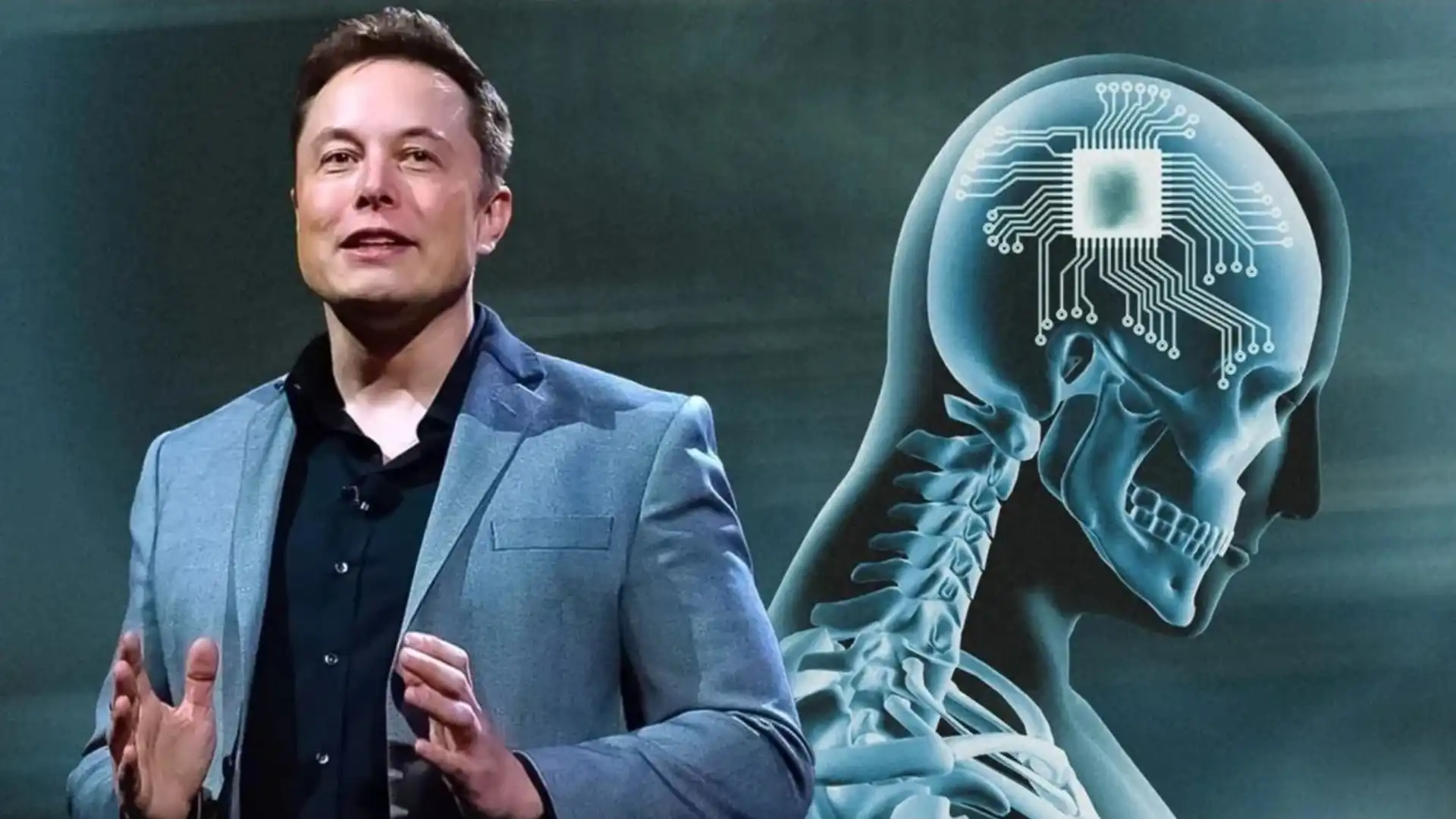
Neuralink,
a controversial precursor to the human-computer
Elon Musk, a pioneer of transhumanism in the 2020s, implanted his Neuralink into the heads of disabled individuals.
By the ArchEVE team
Archive from 10/21/2634
In the early 21st century, Elon Musk, an influential figure in technology, founded Neuralink, a company dedicated to brain-machine interfaces. This innovative project aimed to connect the human brain to computing devices to enhance cognitive capabilities and treat certain neurological disorders. While the concept of transhumanism was already developing at the time, Neuralink is often regarded, in hindsight, as a decisive catalyst toward the future human-computer model.
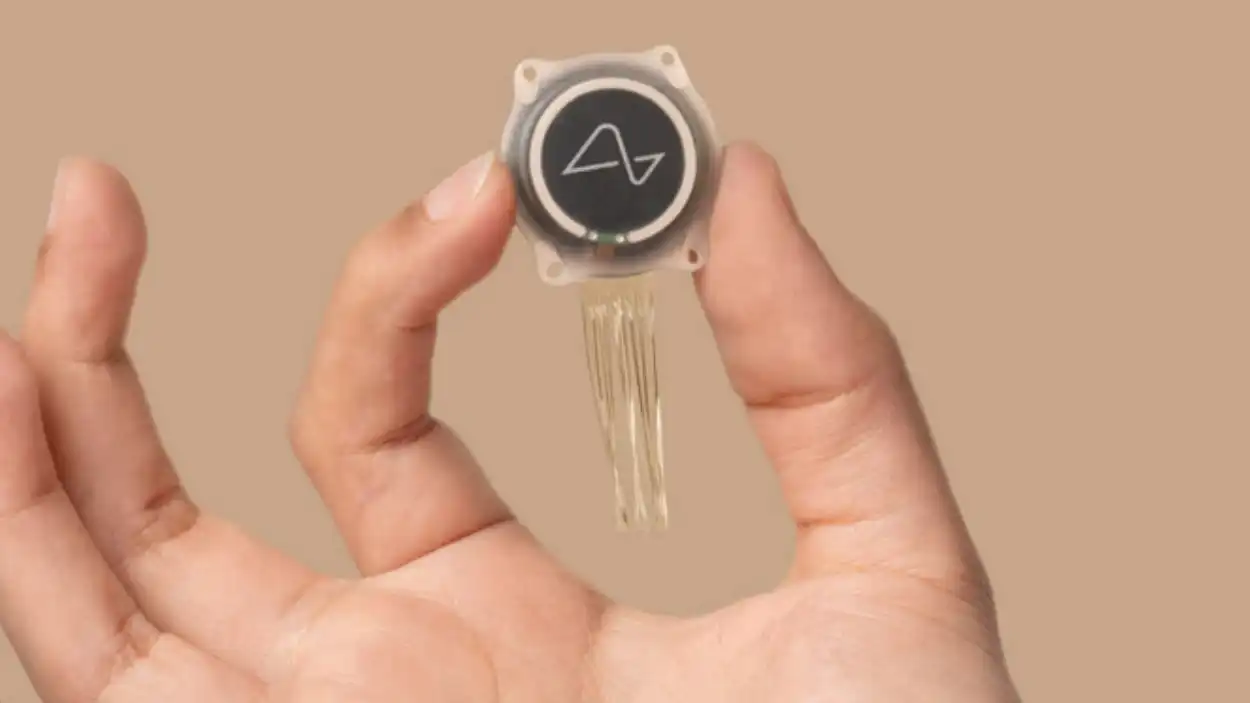
Example of a Neuralink device shown to the press, described as coin-sized.
By 2630, Neuralink is seen as one of the first steps toward the current model of the human-computer. The impact of this primitive technology resonates in the post-human society, where the merging of consciousness and artificial intelligence has become common. However, this fusion has raised divergences in our vision of technological ethics. Historian Maeva Xantheus, for instance, suggests that Neuralink contributed to marginalizing populations who refused these devices, thus creating the first transhumanist fractures in 21st-century society.
"the first transhumanist fractures in 21st-century society"
It is essential to recall that despite its promises, Neuralink faced sharp criticism. Advocates of digital ethics, such as philosopher Jérôme Dekkar in the mid-21st century, warned of the risks of increased dependence on machines and the possibility of technological giants like Elon Musk wielding excessive control over connected minds. Additionally, the risks related to the security of brain data raised new questions about human vulnerability to cognitive hacking.
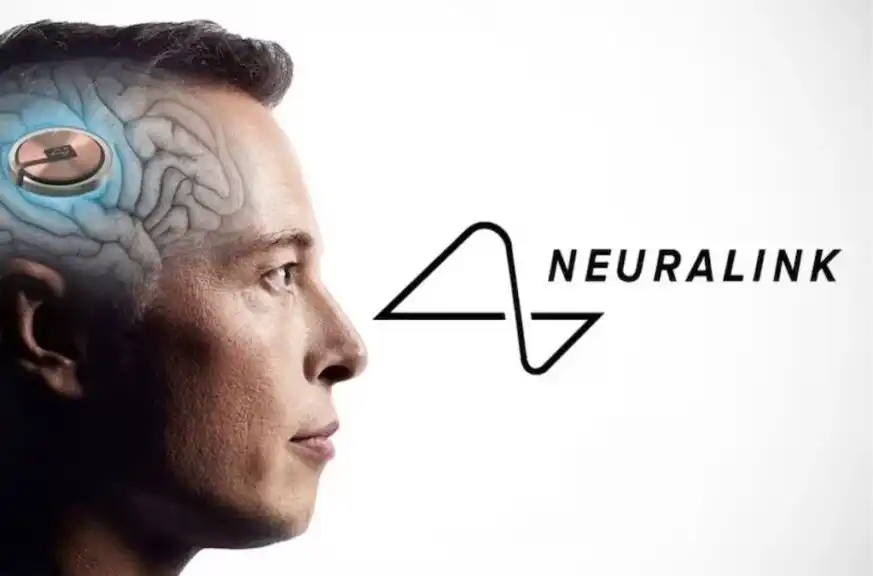
Elon Musk promoting Neuralink in a poster, despite never having the device implanted himself.
Ultimately, Neuralink remains an emblematic example of the dilemmas posed by the emergence of transhumanism at the beginning of the millennium. Its development, though ambitious, marked the beginning of the transition to a modified humanity, emphasizing the importance of rigorous ethical reflection in the face of technological advancements.
See Neuralink's evolution