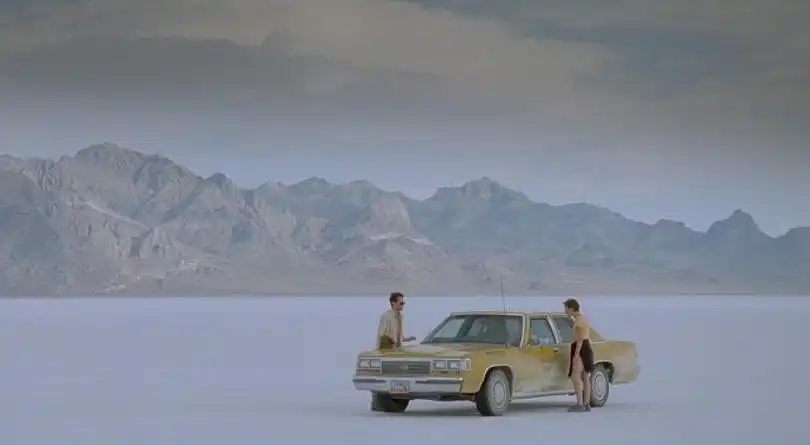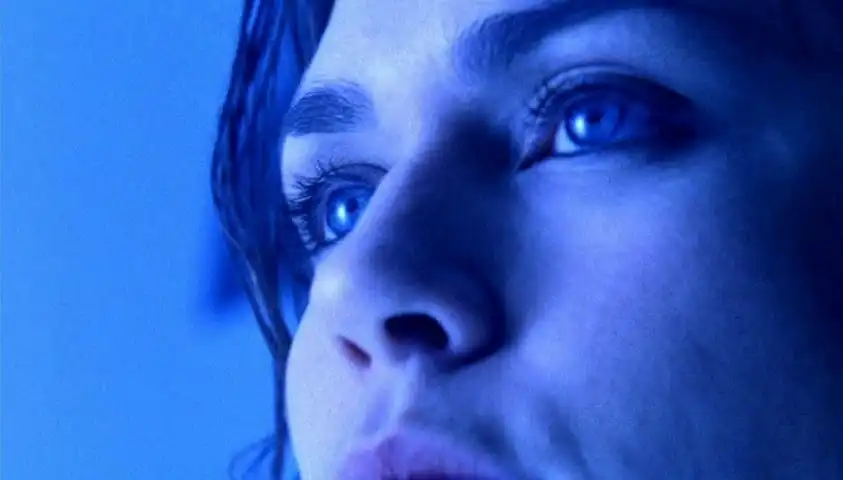

Analyzing Science Fiction in Denis Villeneuve's Works
Visual representation of the era's reflections on our place in space and on the consciousness of machines.
By the ArchEVE team
Archive from 13/01/2635
At the beginning of the 21st century, director Denis Villeneuve established himself as one of the major voices in science fiction cinema. His films, especially Blade Runner 2049 (2017) and the Dune trilogy (2021-2027), played a key role in reflecting on our place in the universe and the implications of artificial intelligence. As future archaeologists, we can observe the lasting impact of his work on how society at the time viewed transhumanism and space exploration.
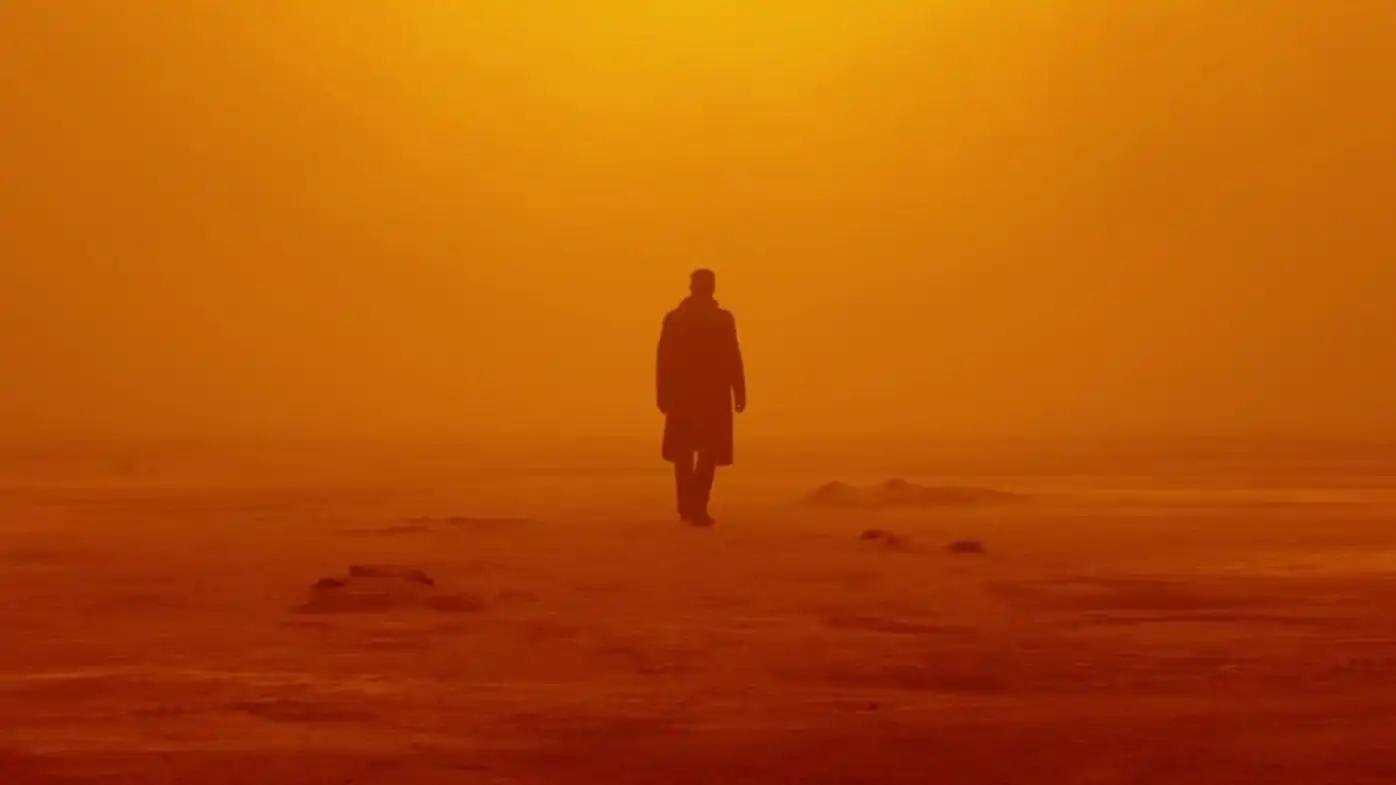
Image from the film Blade Runner 2049
In Blade Runner 2049, the sequel to the cult film inspired by Philip K. Dick, Villeneuve delves into the questions surrounding machine consciousness. Through the characters of replicants, he questions the nature of humanity and the limits of artificial intelligence. This film, with its contemplative images and slow pace, offers a meditation on the role of machines in a society where the boundary between man and android is increasingly blurred. Technological ethics researchers from the 24th century, like Lila Stromberg, have cited this film as a major influence in debates on the rights of conscious AIs in the 2400s.
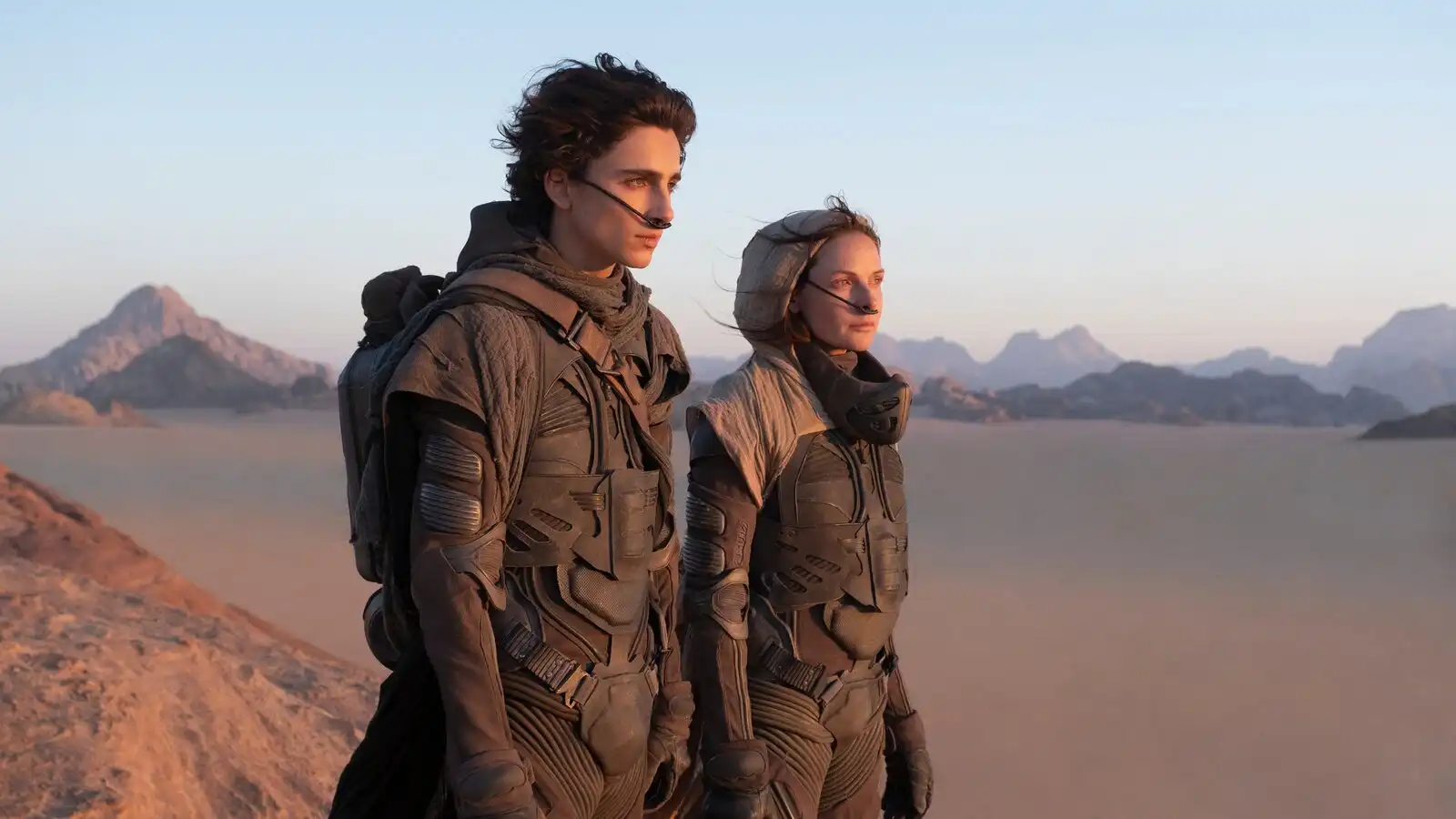
Image from the first Dune film of 2021
The Dune trilogy, on the other hand, reinforced the idea that humanity must evolve beyond its home planet to ensure its survival. With Dune 1, Dune 2, and Dune 3, Villeneuve raises questions about power, ecology, and spirituality in a galactic universe, while exploring the impact of advanced technologies on civilizations. This saga is often considered by contemporary philosophers as a foundational work in the reflection on humanity’s place in the vastness of space.
Questions about power, ecology, and spirituality in a galactic universe
Denis Villeneuve’s work invites us to a nuanced reflection on humanity's future, machine consciousness, and our relationship with the universe. By merging philosophical reflection and visual aesthetics, he has left a lasting imprint on the transhumanist imagination of the 21st century.